1. Why Italy is still ridiculously cheap in 2026
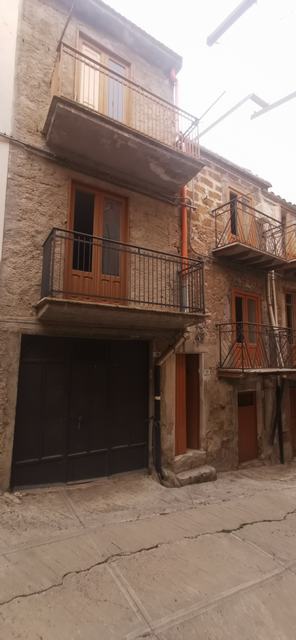
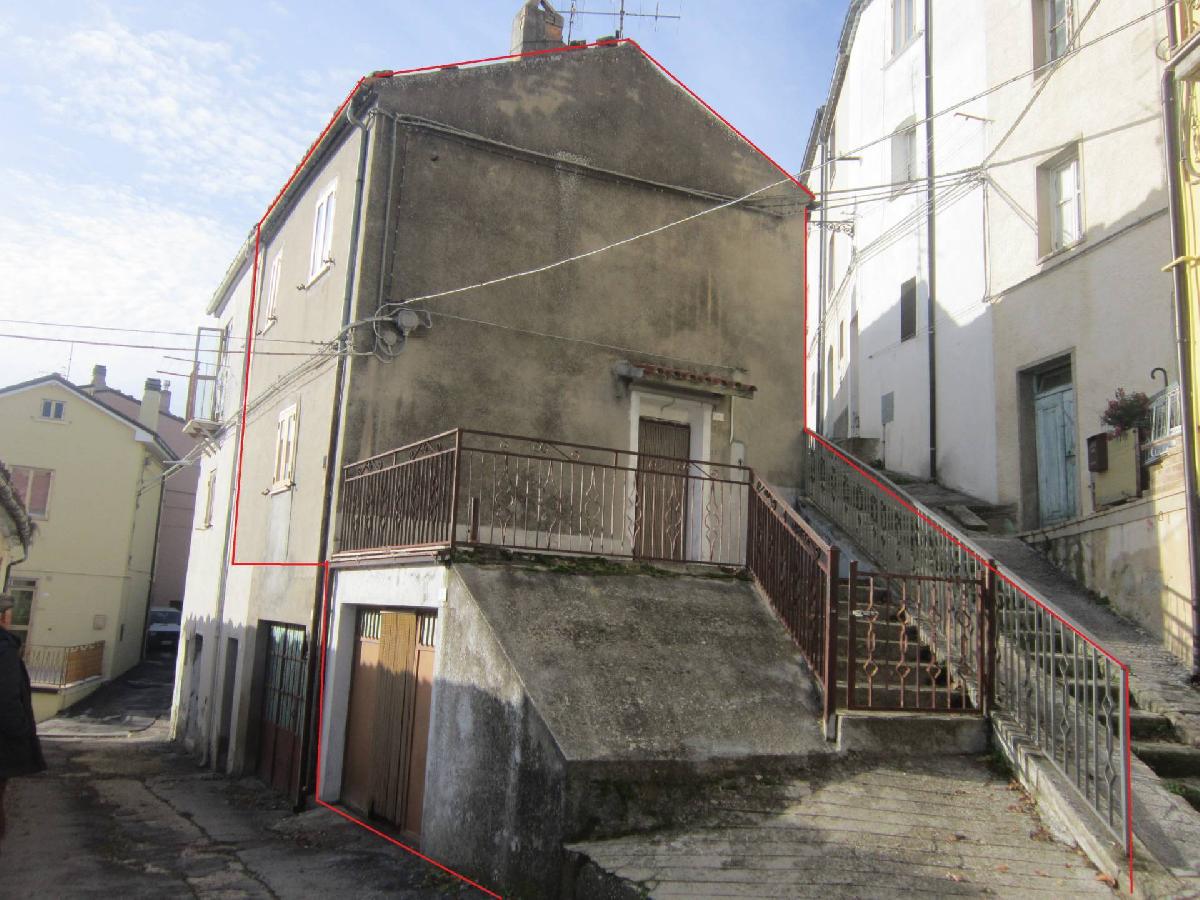
Walk into a notary's office in Caltanissetta or Sulmona this year and you can sign a deed for a stone village house for less than the price of a second-hand Volkswagen. That isn't a journalist's quirk — it's a structural feature of Italy's property market.
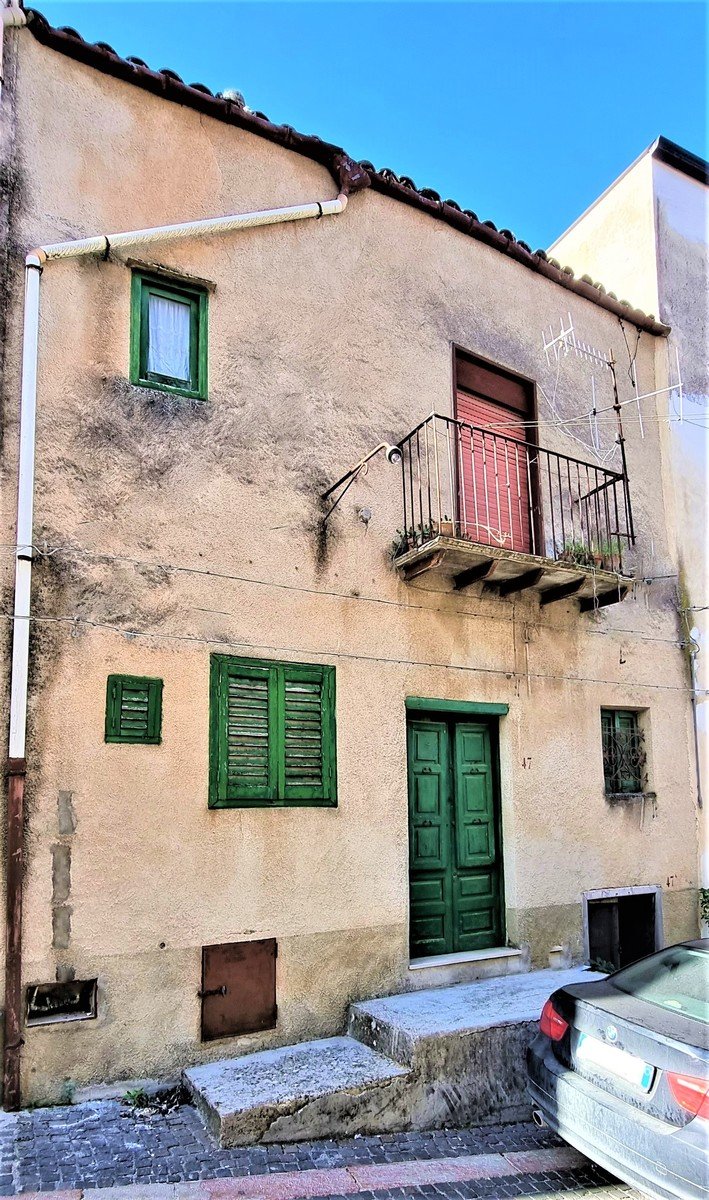
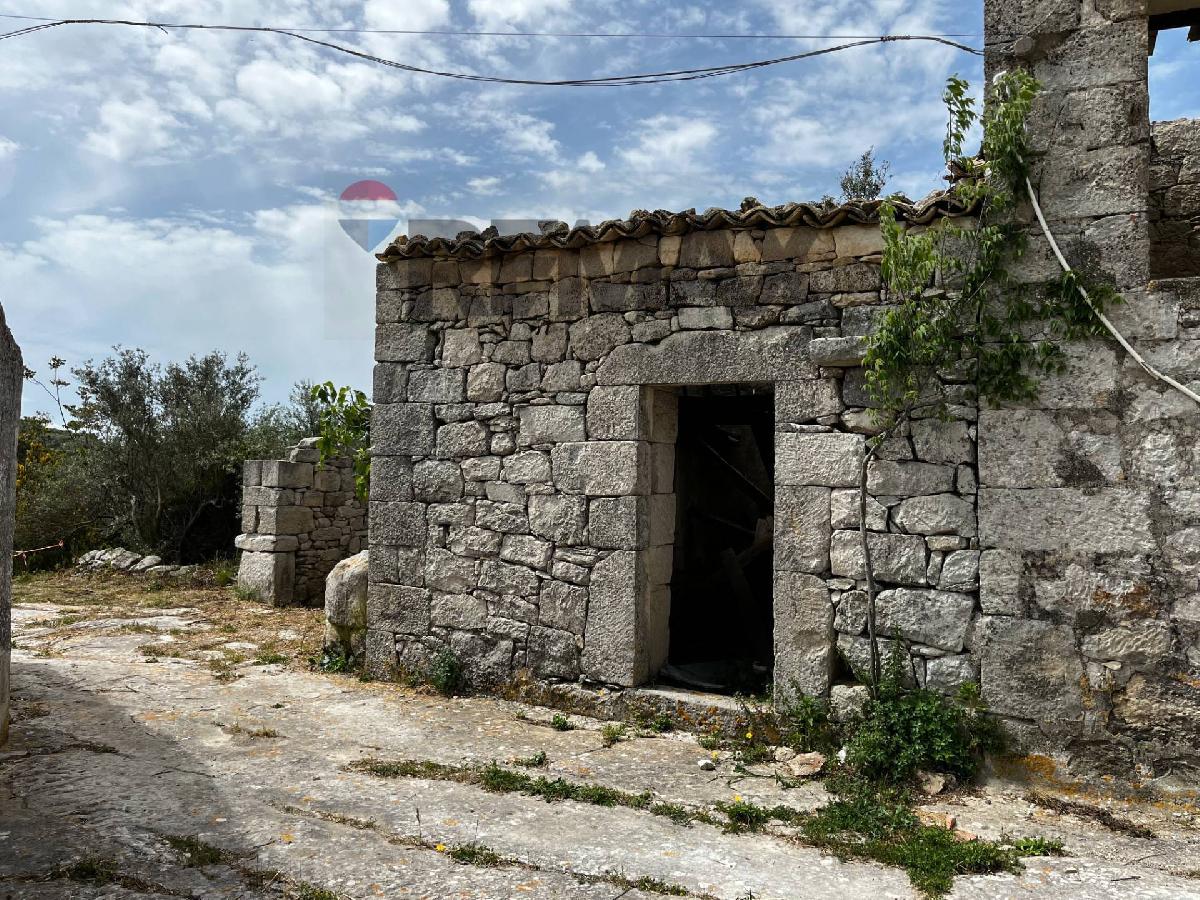
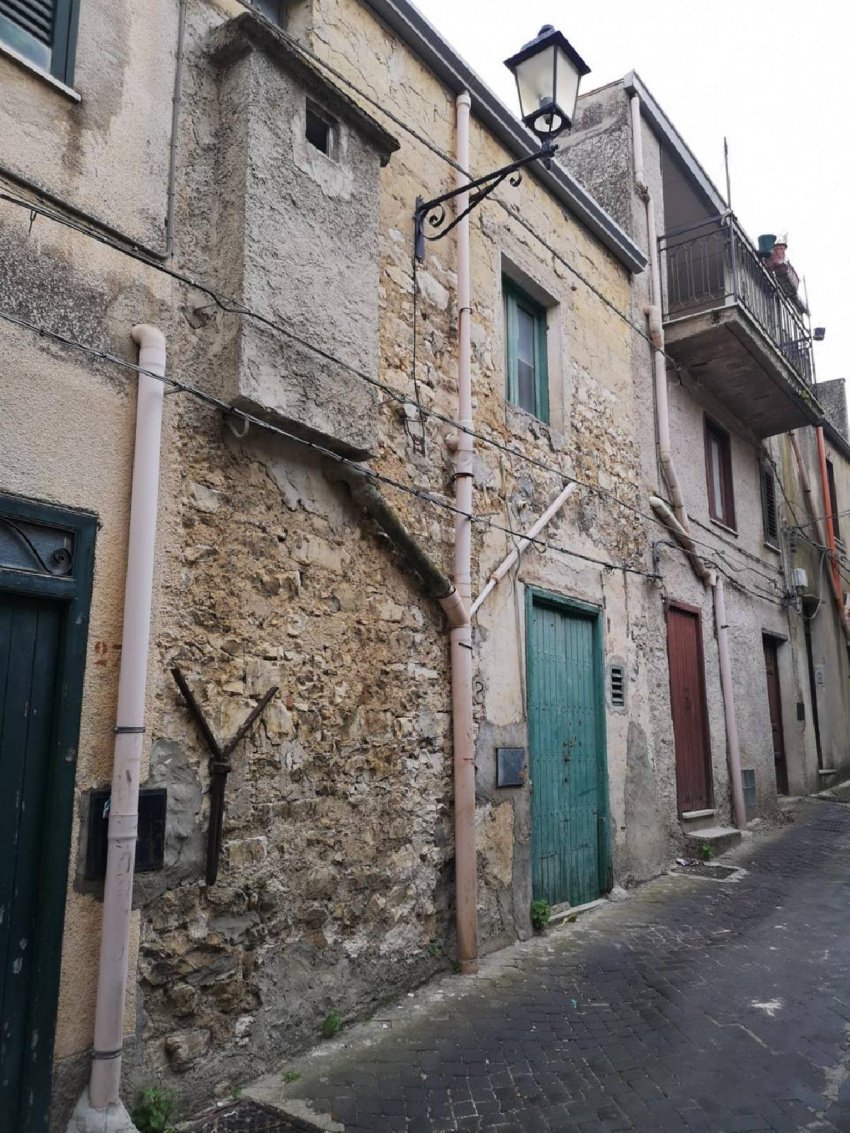
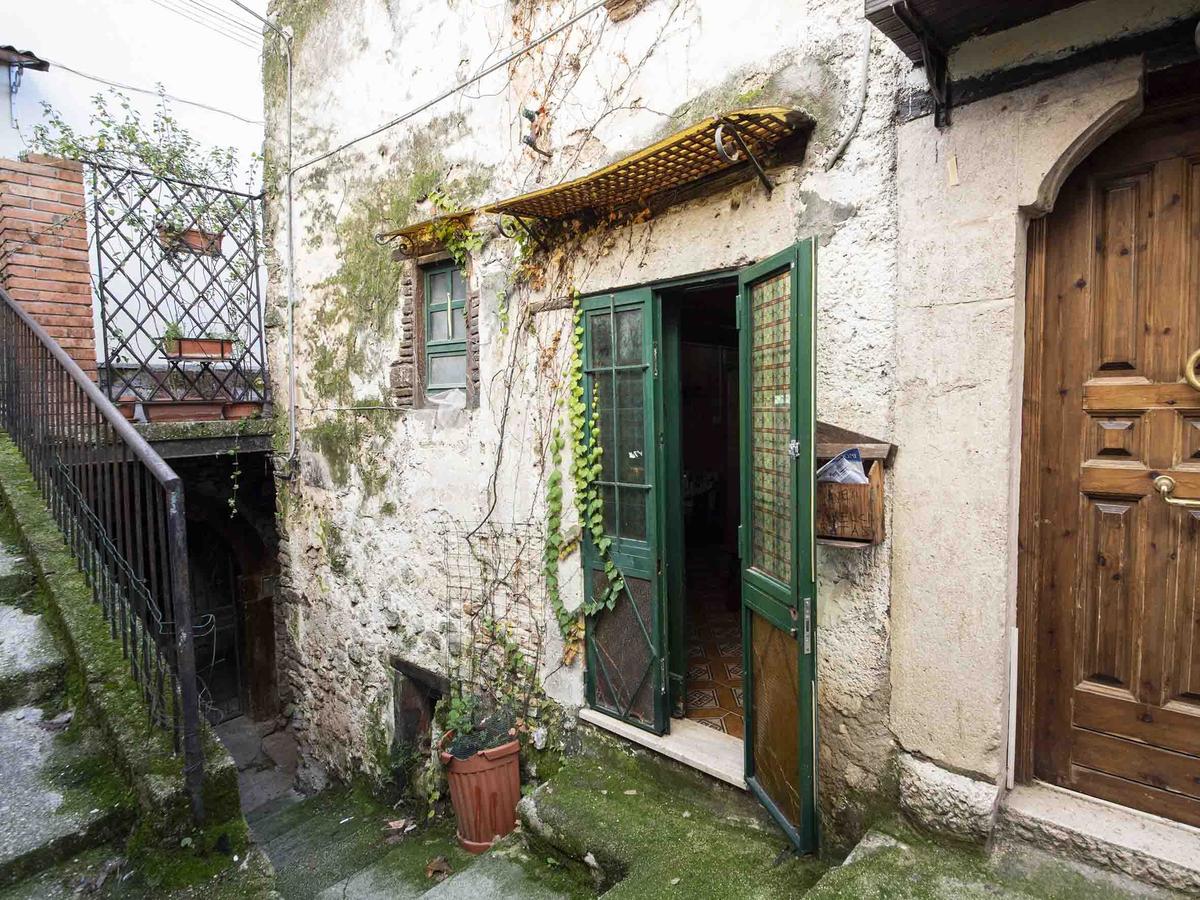
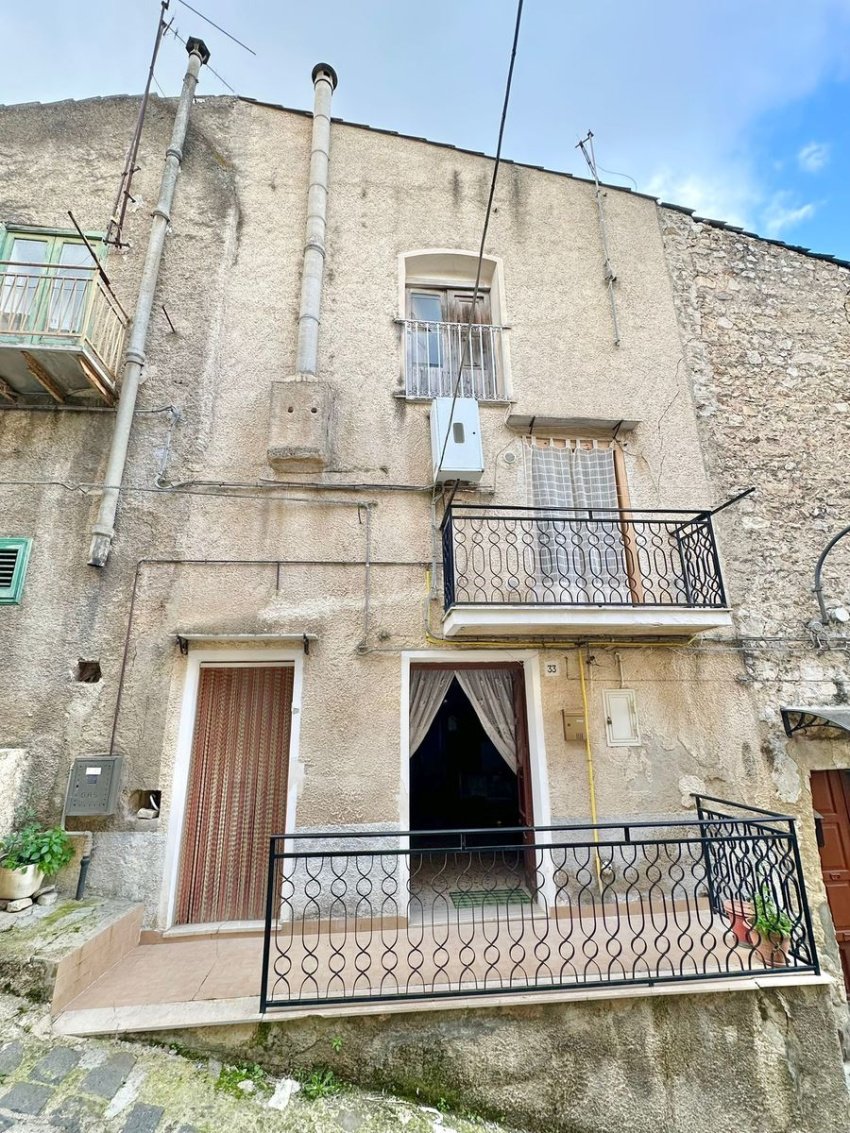
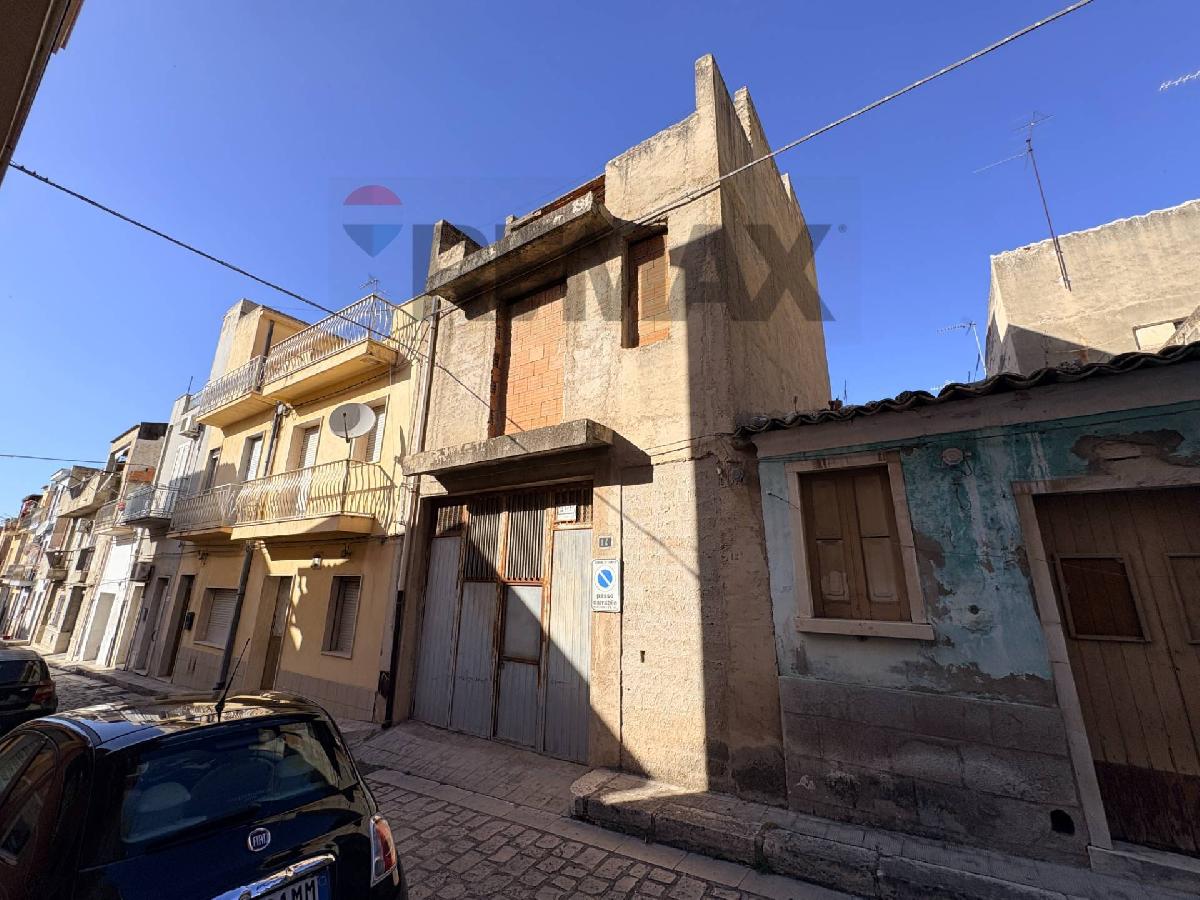
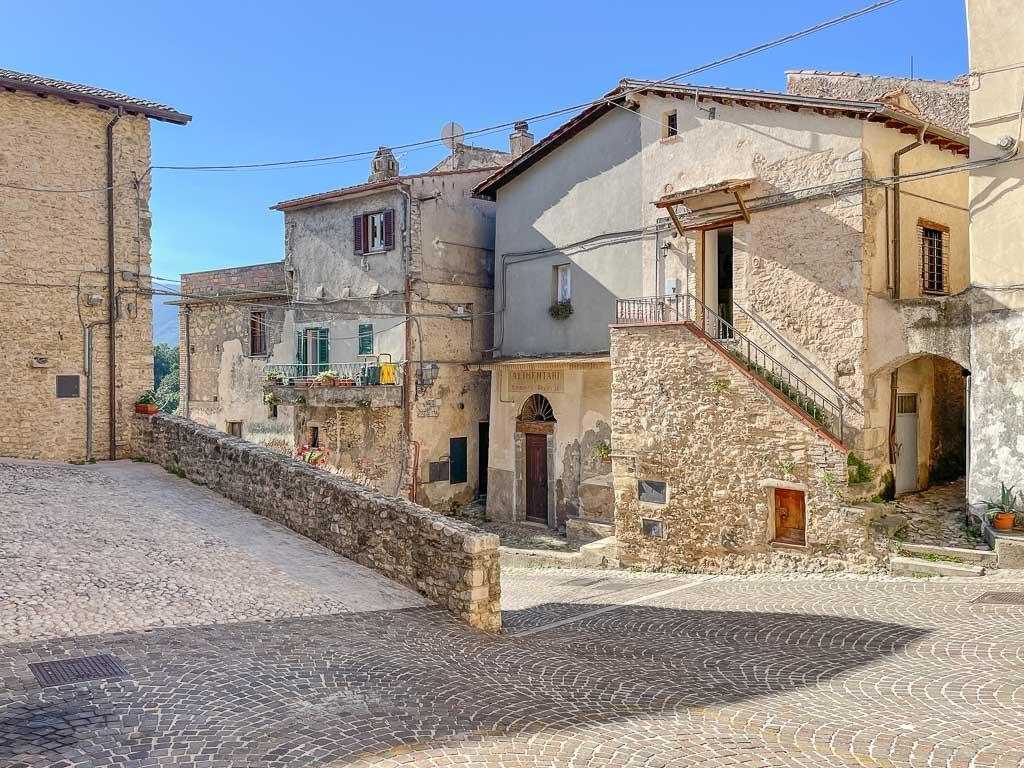
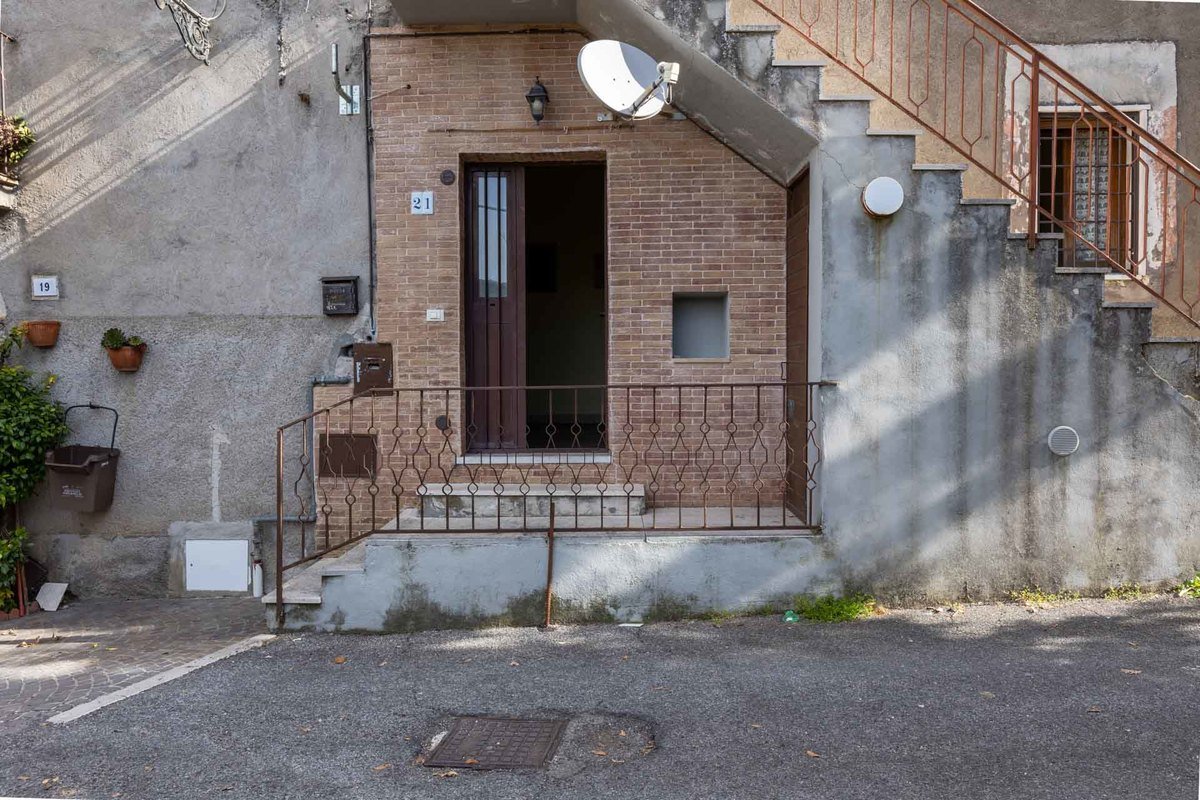
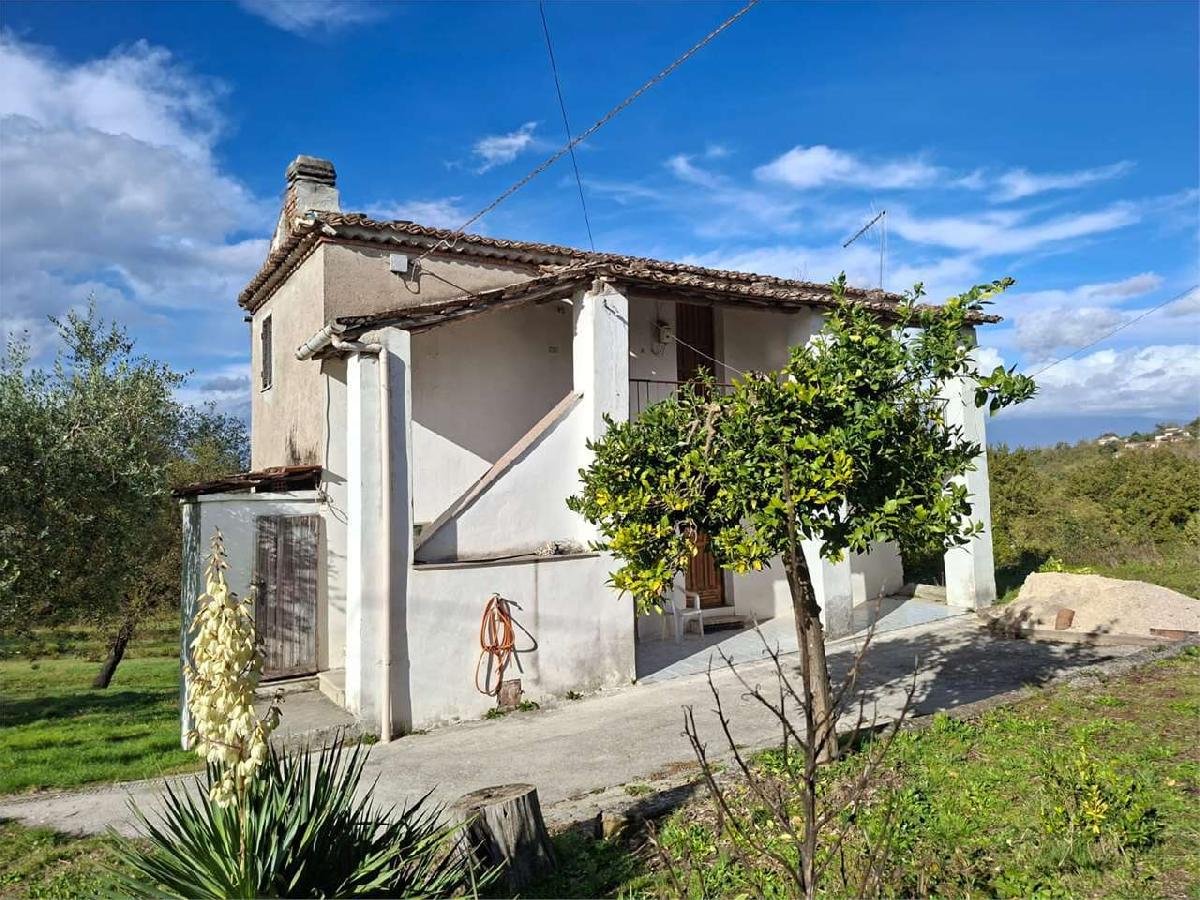
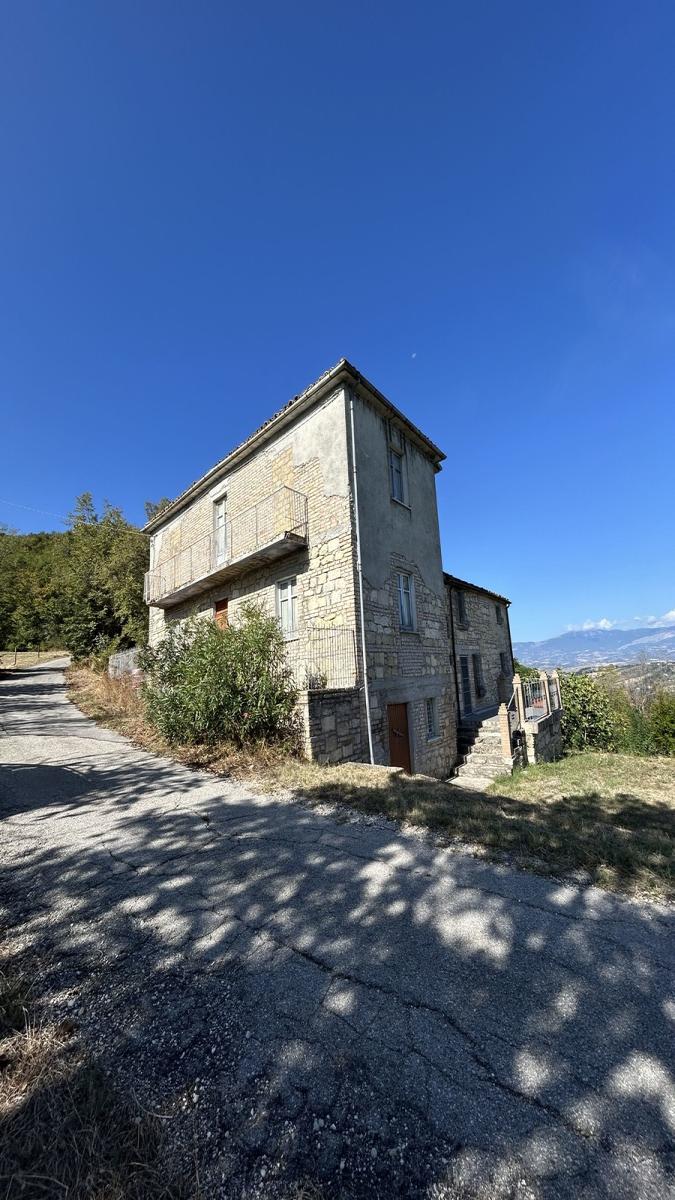
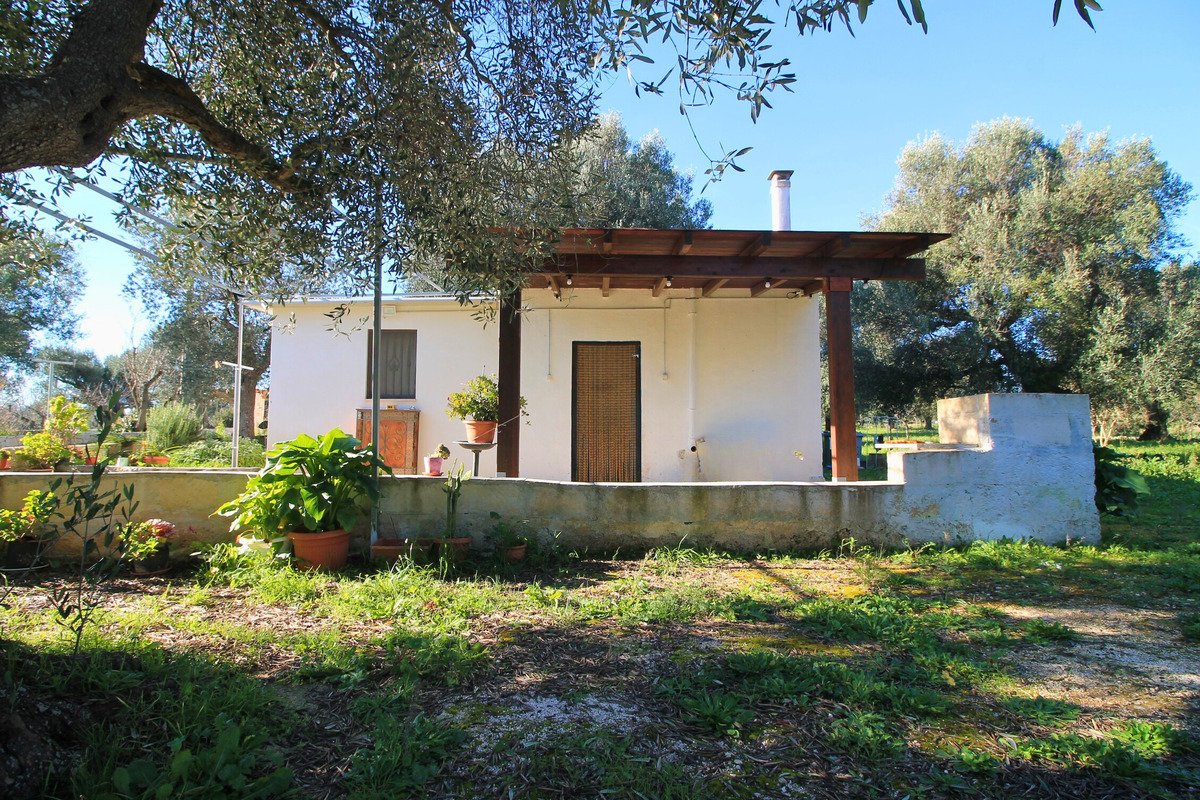
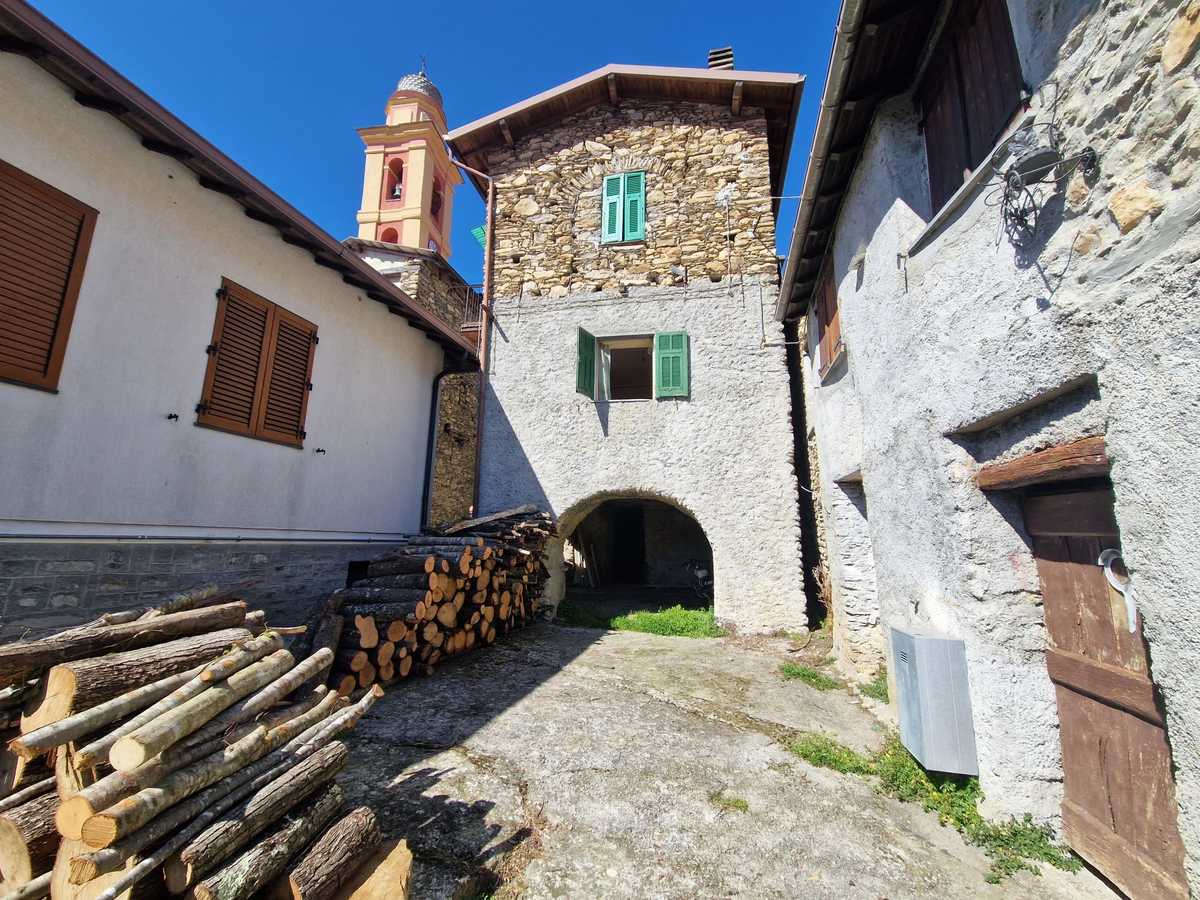
Italy has one of the lowest birth rates in the world and a steady drift of young Italians out of the south and the inland north. The country has thousands of small towns where the population has halved since 1970 and the housing stock has been left behind: solid stone homes with thick walls, terracotta roofs and tiny gardens, often inherited by relatives living in Milan or Sydney who would rather have €30,000 than a building in a village they barely visit. Add a property market that never inflated like Spain's or France's, an ageing rural agent network that prices on memory, and a still-favourable euro for buyers earning in pounds or dollars, and the entry-level deals are simply real.
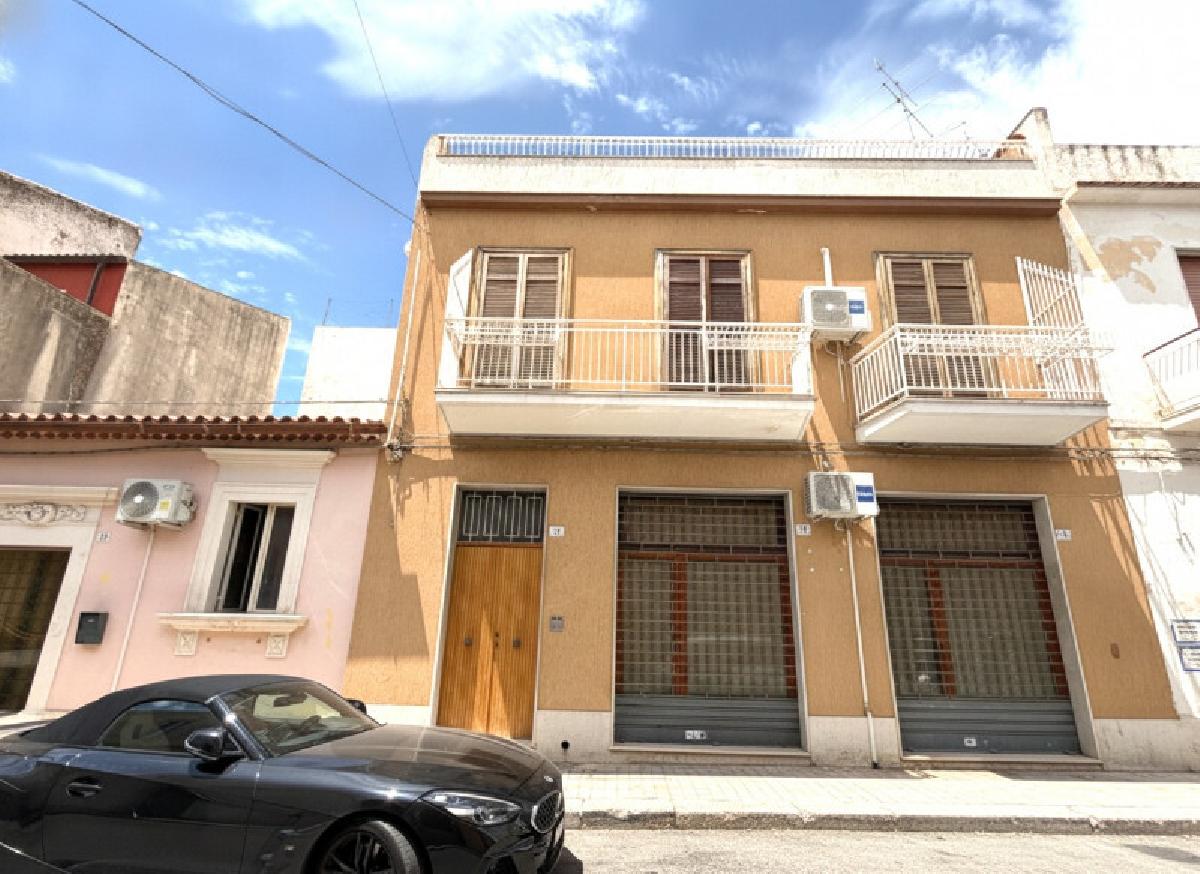
Italy is also one of the few Western European countries where you can still buy a habitable detached home for under €50,000. Our scraped data shows 65 active listings under €50,000 across the country today, concentrated in Sicily, Abruzzo, Umbria, Lazio and Piedmont — the same regions Idealista, Casa.it and Gate-Away.com flag as the cheapest by €/m² every quarter. Sicily averages around €1,000/m² regionally; Abruzzo sits at €1,345–€1,365/m² as of late 2026, with the southern province of Chieti closer to €1,140/m². For comparison, Lisbon is above €6,000/m² and central Paris is north of €11,000/m².
2. The €1 house truth — what the headlines leave out
Yes, the €1 house schemes are still running in 2026, and the list is actually growing. New towns joined the programme in 2025 — Villa Basilica in Tuscany, Petrella Tifernina in Molise — and Sicily alone now hosts roughly 35 participating municipalities including the famous Mussomeli, Sambuca, Gangi and Castiglione di Sicilia. Sambuca has quietly raised its symbolic price from €1 to €3, and the mayor has signalled it will tick up by another euro at each round.
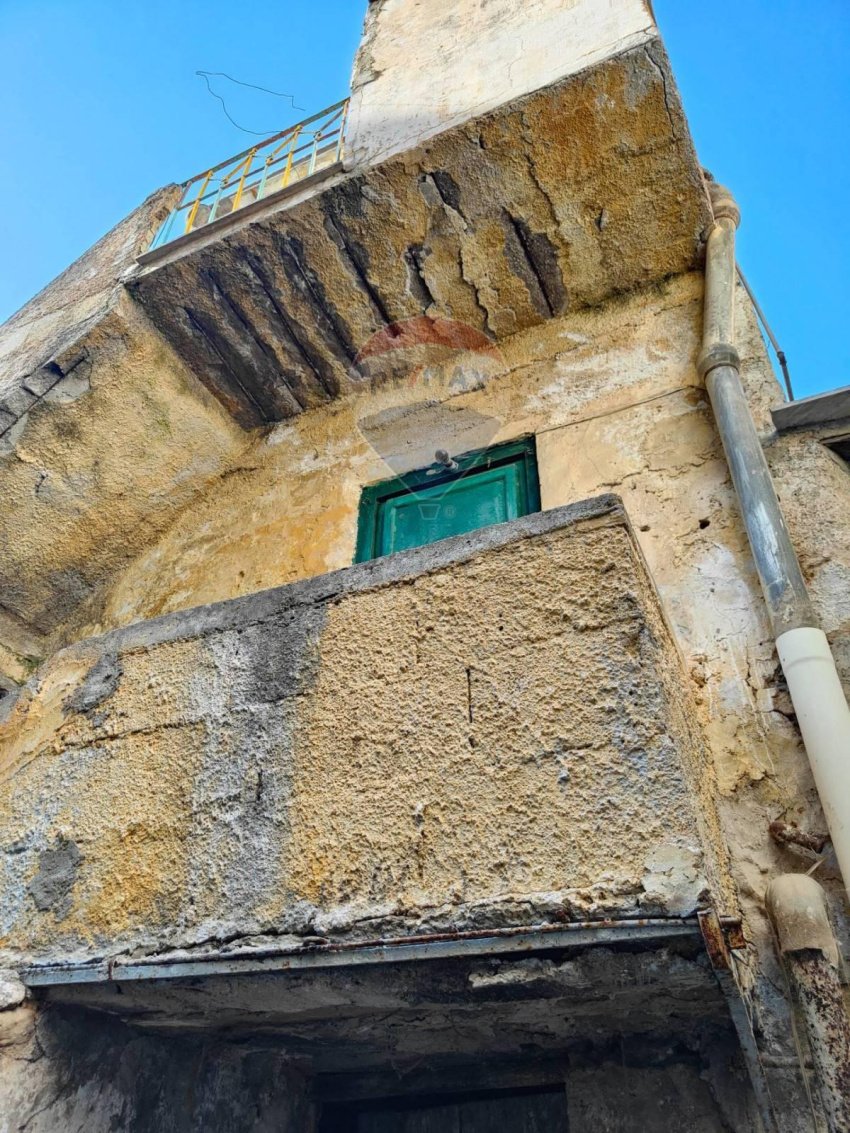
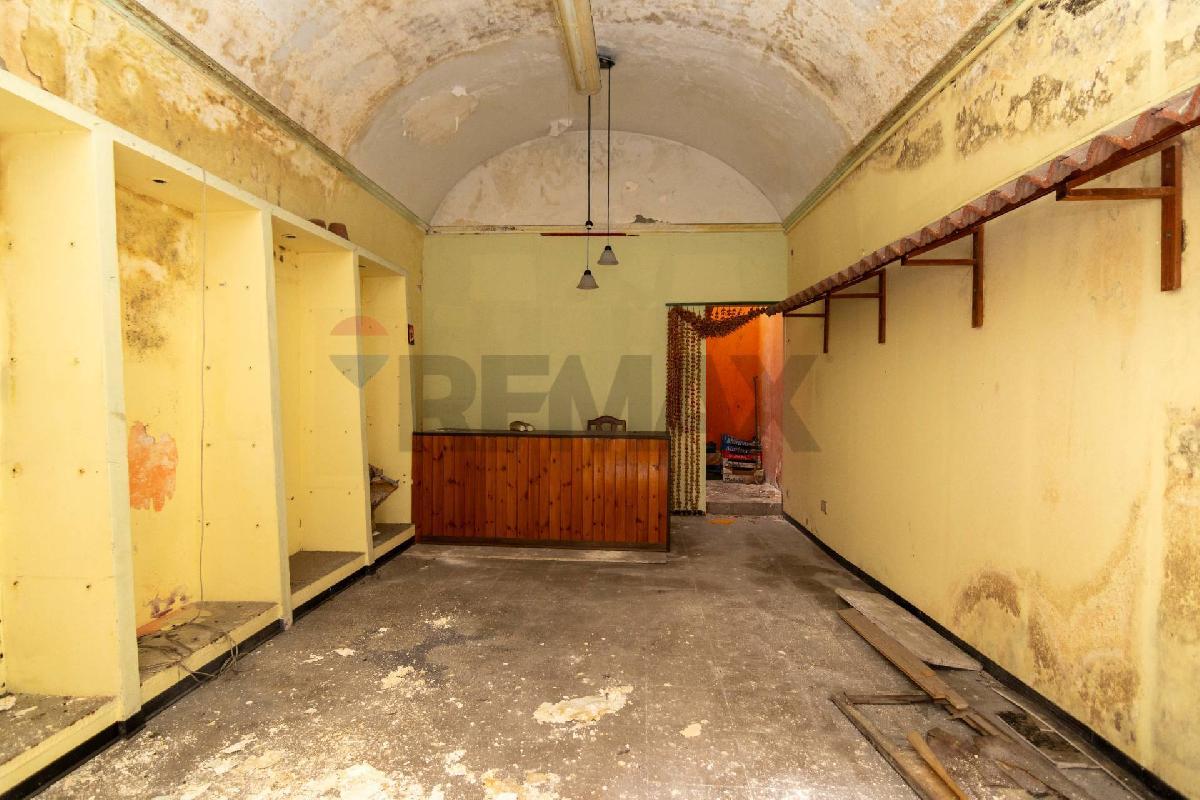
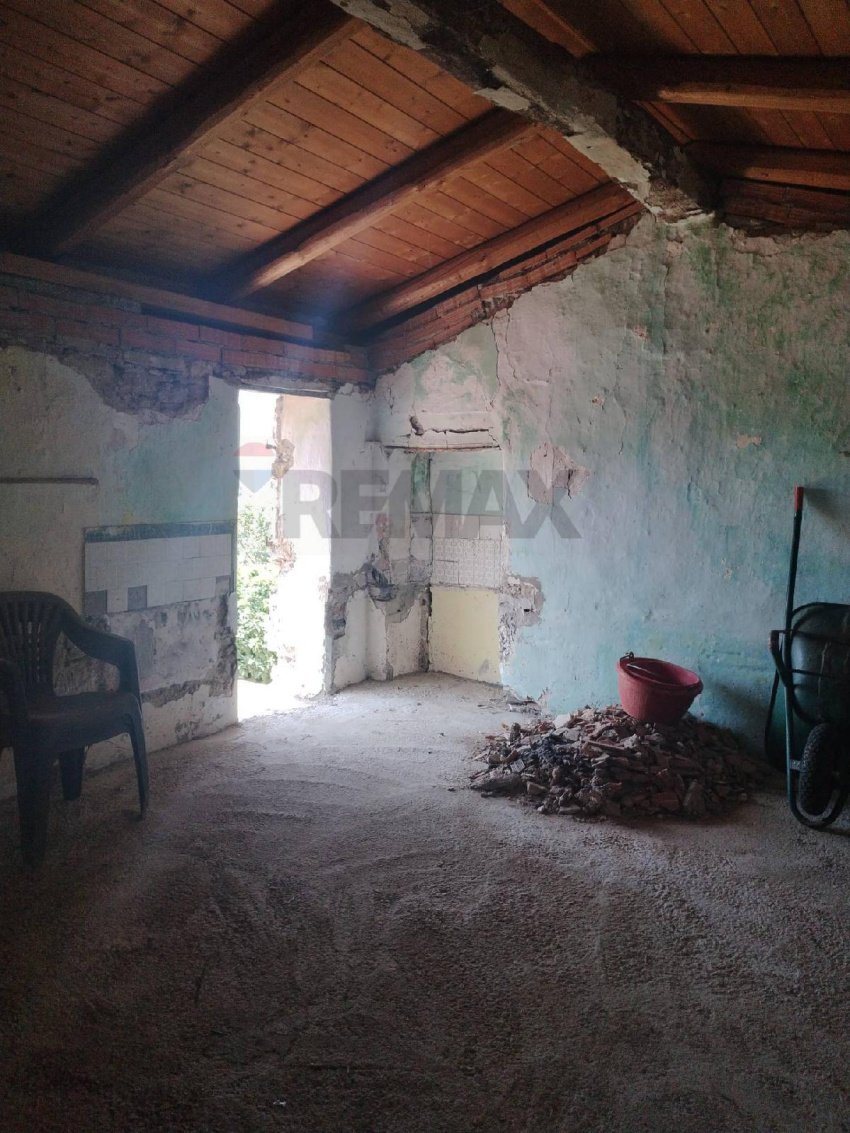
The catch isn't the headline price. It's everything that comes after it. Most €1 properties are shells: four crumbling walls, no roof, no plumbing, no certificate of habitability. The standard contract requires you to spend around €20,000–€50,000 in renovation work within 12–36 months and post a security deposit (typically €5,000) until you've finished. Add notary fees, a Codice Fiscale, a lawyer, and the agency margin and the total ticket on a "free" house is usually €40,000–€90,000 once it's wind- and water-tight. Mussomeli has sold 350–400 houses to foreigners since 2017, but only about 10% have actually become permanent homes — most owners move on once the renovation slog hits month nine.
Honest take: the €1 schemes are best treated as renovation projects with a marketing budget. If you want a house you can actually move into next month, you're better off in the €25,000–€80,000 tier on the open market. That's the band we focus on at DreamProp — habitable, photographed, with electricity and water already connected.
3. Where the bargains actually are
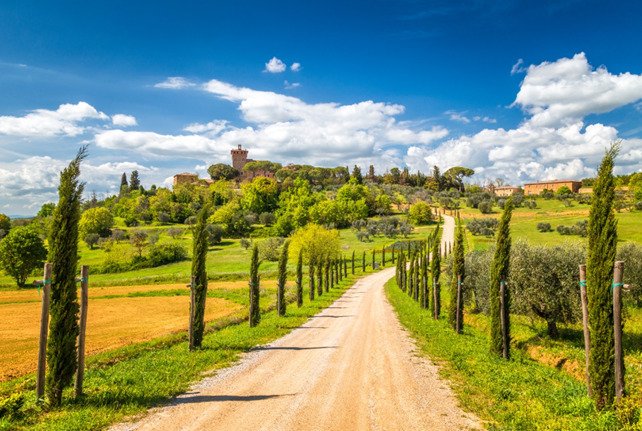
Cheap Italy is a southern and inland-eastern story. The regions below all have median asking prices below €1,500/m² and a healthy pipeline of livable houses under €50,000. Skip the postcards of Tuscany and the Amalfi Coast — those are the expensive Italys. The cheap ones are quieter, more local, and frankly more interesting.
| Region | Avg €/m² (2026) | Habitable from | Best for |
|---|---|---|---|
| Sicily | ~€1,000 | €14k | Sun, sea, €1 schemes, slow life |
| Abruzzo | ~€1,350 | €39k | Mountains + sea, 2hr from Rome |
| Calabria | ~€950 | €34k | Coastline, 7% retiree tax regime |
| Molise | ~€900 | €30k | Italy's "does it really exist?" region |
| Puglia (interior) | ~€1,400 | €37k | Trulli, masseria, Adriatic side |
| Inland Lazio | ~€1,500 | €12k | Commutable to Rome on the cheap |
| Umbria (off-tourist) | ~€1,600 | €15k | Tuscany feel, half the price |
| Piedmont (Langhe hills) | ~€1,500 | €15k | Wine country bargains, Alps near |
| Sardinia (interior) | ~€1,500 | €22k | Ollolai & the €1 villages |
Sources: Idealista.it regional reports (Q3–Q4 2026), Casa.it market index, our own scraped DreamProp listings.
4. Region-by-region: what your budget really buys
Sicily
☀️ €1 house heartland · 35+ participating towns
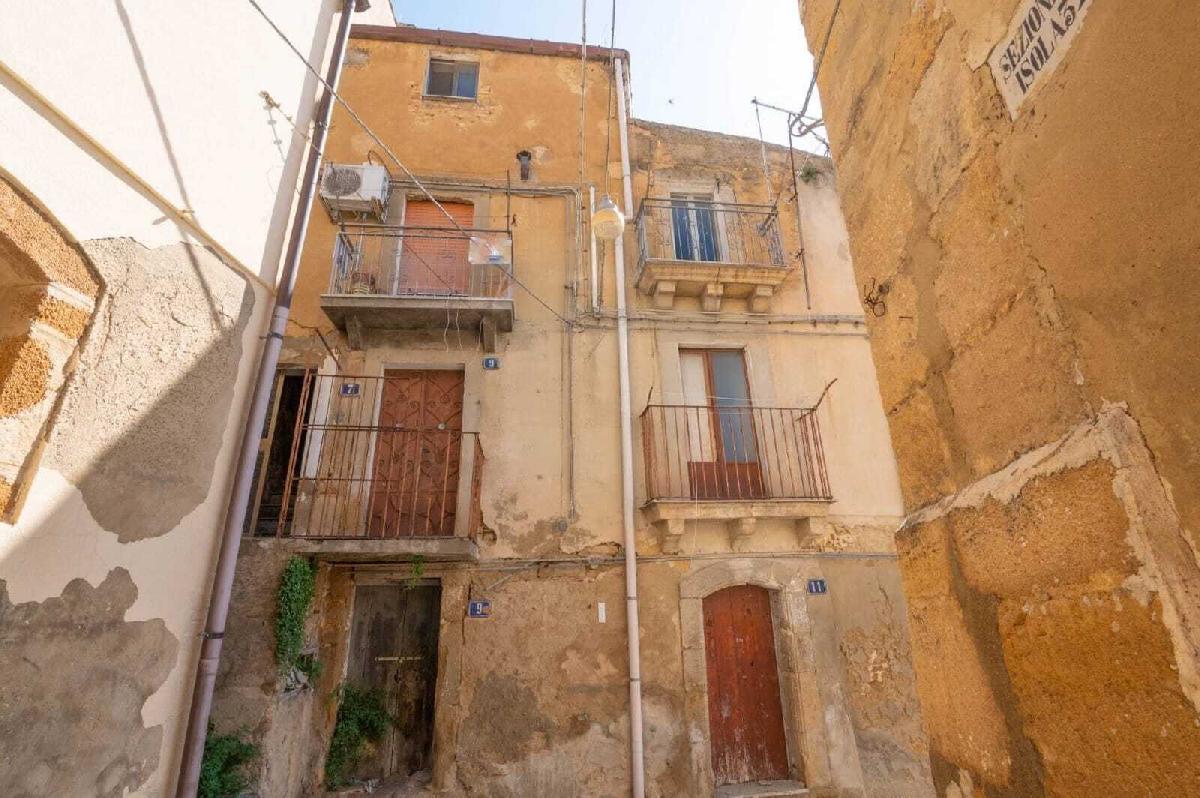
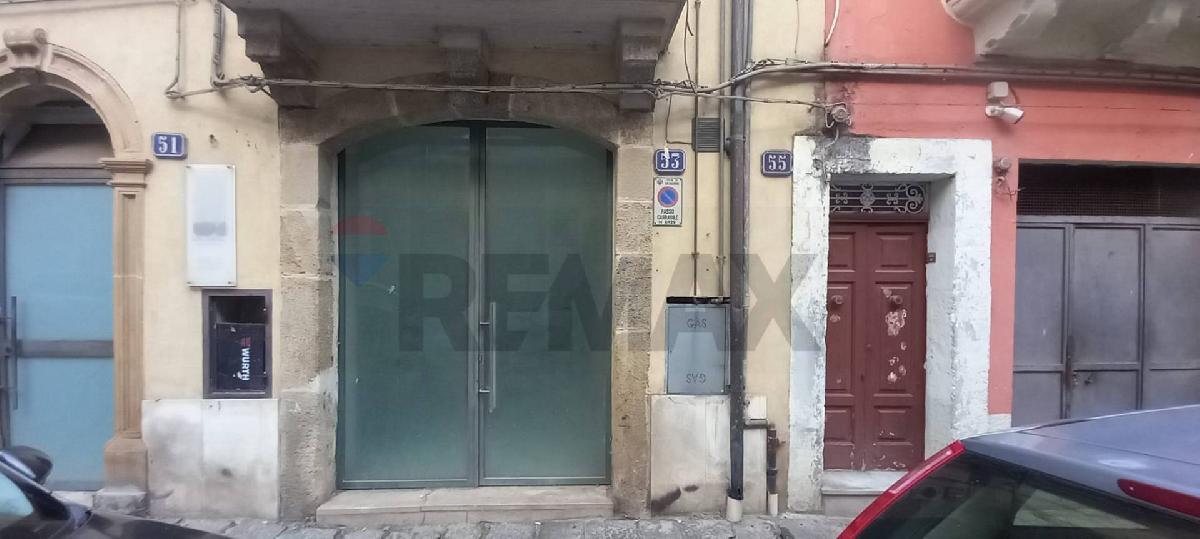
The cheapest large region in Italy — and the most photogenic. Inland Agrigento province (Mussomeli, Sambuca di Sicilia, Cammarata) is where the €1 schemes cluster, but you'll find habitable townhouses from €14,000–€44,000 on the open market just down the road. Coast adds 30–60%. Ragusa's baroque valleys and the Trapani salt-flats area are quietly underpriced.
Cheapest pockets: inland Agrigento, Caltanissetta, Enna, interior Messina.
Abruzzo
🏔️ Mountains + Adriatic coast, 90 minutes from Rome
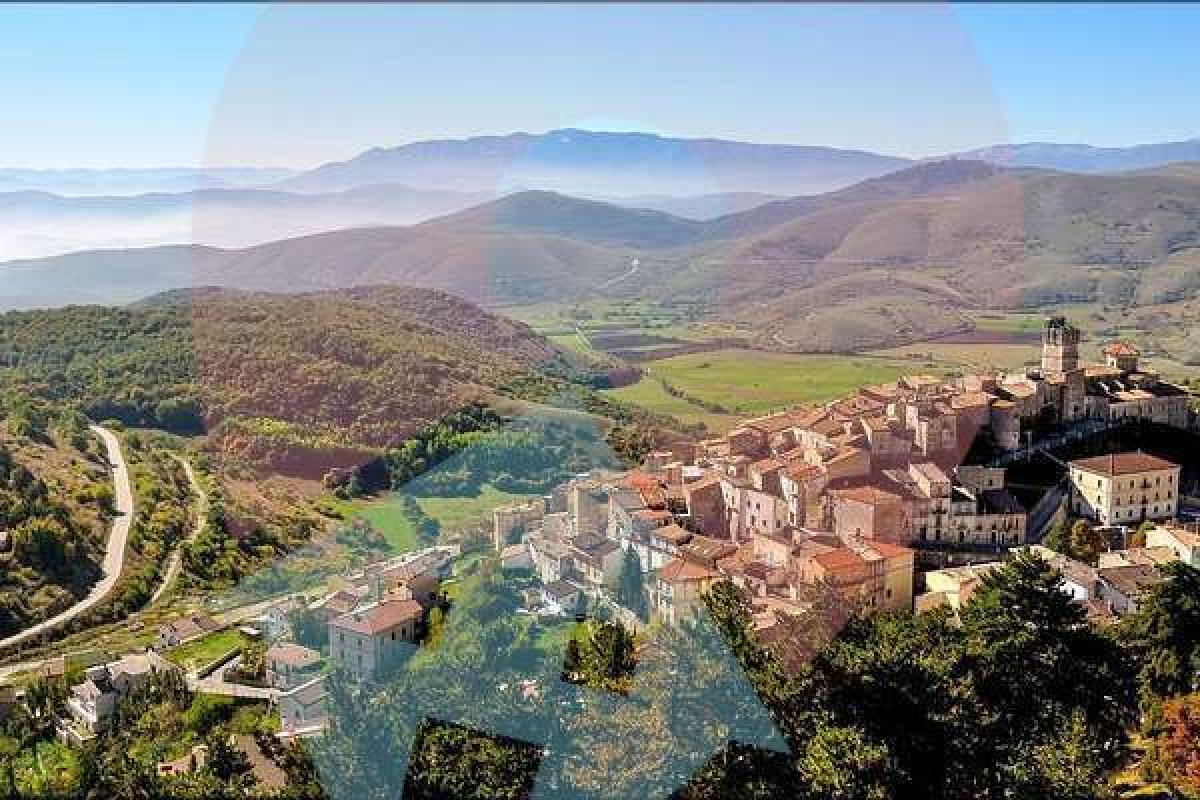
The favourite of British and Dutch buyers since the early 2000s — for good reason. Prices have actually fallen 1.5% in 2026 while the rest of Italy has stayed flat. Townhouses from €39,000, farmhouses from €44,000, and you get Gran Sasso skiing and Adriatic beaches inside an hour. Province of Chieti is the cheapest at ~€1,140/m².
Cheapest pockets: Chieti province, inland Teramo, the Maiella villages.
Calabria & Basilicata
🌊 Coastline + Italy's 7% retiree tax regime
The toe of the boot is the bluntest bargain on the Italian map. Two coasts (Tyrrhenian and Ionian), Aspromonte and Pollino mountains, and almost every town qualifies for Italy's 7% flat tax for foreign retirees (towns under 30,000 people, expanded April 2026). Detached houses from €34,000. Infrastructure is patchy — accept this and you've found one of Western Europe's last genuinely cheap coastlines.
Cheapest pockets: Cosenza interior, Locride, Sila plateau, Maratea hinterland.
Puglia (Salento & Murgia)
🍷 Trulli, masserie, white-stone villages
The Valle d'Itria around Alberobello and Locorotondo gets the magazine covers (and the Tuscan-level prices), but go inland 30 minutes and you're back in cheap territory. Trulli from €37,000, town houses in interior Salento from €40,000. Bari and Brindisi airports keep you connected.
Cheapest pockets: interior Lecce province, Murgia plateau, Foggia.
Molise & inland Lazio
🌾 Italy's quietest regions, weirdly close to Rome
Molise barely makes Italian weather forecasts but it has stone villages, Apennine views and detached houses from €30,000. Inland Lazio — the Sabine hills, Ciociaria, the Tiber valley north of Rome — has listings from €12,000 and you can still be in central Rome in 90 minutes by train.
Cheapest pockets: Isernia province, Sabina, Tuscia (Viterbo province).
Umbria & the inland north
🌳 Tuscany scenery without the Tuscany markup
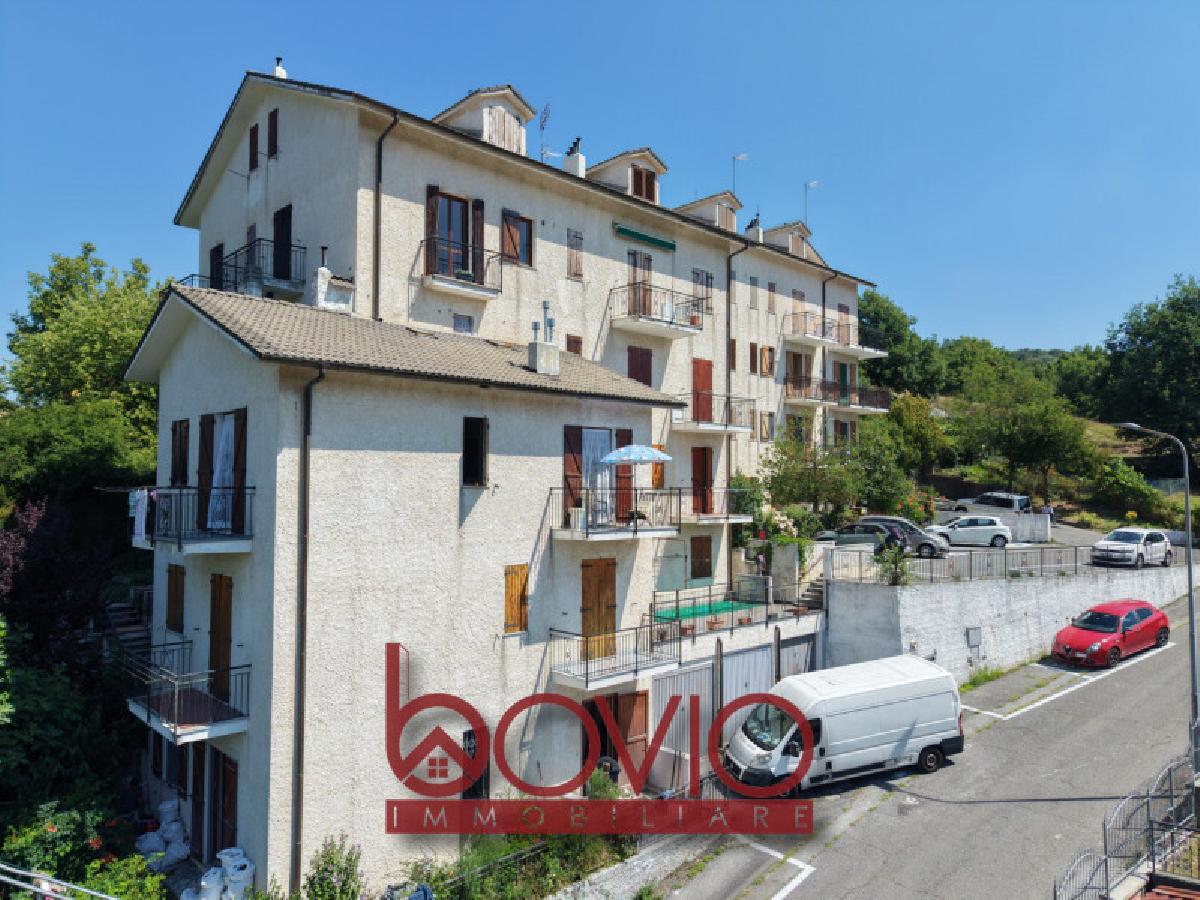
Umbria is the cheap Tuscany — same green hills, half the price. From €15,000 for stone houses needing love around Foligno, Norcia and Spoleto. Piedmont's Langhe wine country and inland Liguria's entroterra also hide genuine bargains: Piedmont houses from €15,000, Liguria from €19,000.
Cheapest pockets: Valnerina, Alta Langa, Val Trebbia, Lunigiana.
6. Tax breaks & visas worth knowing
Cheap Italy comes with two genuine financial sweeteners that most foreign buyers don't realise apply to them:
- € 7% flat tax for foreign retirees on all foreign-source income (pensions, dividends, rental income), for 10 years, in any town of up to 30,000 inhabitants in Sicily, Calabria, Sardinia, Campania, Basilicata, Abruzzo, Molise or Puglia. Law no. 34/2026 expanded the population ceiling from 20,000 in April 2026, adding around 80 newly-eligible towns. You must not have been Italian-tax-resident for the last 5 years.
- € "Prima casa" relief: register the house as your primary residence within 18 months and your registration tax drops from 9% to 2% of cadastral value. On a cheap house this is often the difference between €4,000 and €900.
- € "Superbonus" and "Bonus Casa" renovation grants have been scaled back since 2024 but still cover 36–50% of qualifying energy-efficiency upgrades. Always check the current rate before you sign — they change every Italian budget.
For visas: EU citizens need none. Non-EU citizens (UK, US, Canada, Australia, etc.) can buy property freely under reciprocity but a property purchase doesn't grant residency. To live in Italy beyond 90 days in 180 you'll need an Elective Residency Visa (passive income ~€31,000/year for a single applicant) or one of the work/student/digital nomad visas.
For the full visa breakdown, taxes, and step-by-step buying process, see our Italy buying guide.
7. Frequently asked questions
What is the cheapest region in Italy to buy a house?
Sicily, with average asking prices around €1,000/m² and habitable townhouses in inland Agrigento province from €14,000. Calabria and Molise are similarly cheap (~€900–€950/m²) and Abruzzo is the cheapest region with year-round mainland infrastructure and Adriatic beaches.
Can I really buy a house in Italy for €1?
Yes — about 35 Sicilian towns plus dozens more across every Italian region run €1 schemes, with Mussomeli, Sambuca and Gangi the best known. The catch is mandatory renovation within 12–36 months (typically €25k–€50k of work), a €5,000 security deposit until completion, plus notary and tax fees. Plan on €40k–€90k all-in for a "free" house once it is wind- and water-tight.
Can foreigners buy property in Italy?
Yes. EU citizens have unrestricted rights. Non-EU citizens from countries with reciprocity agreements — including the UK, US, Canada, Australia and Switzerland — can buy as freely as Italians. You only need a Codice Fiscale (Italian tax code), which any Italian consulate can issue.
How much does it really cost to buy a cheap house in Italy?
Add roughly 10–20% on top of the asking price for taxes, notary, agent commission and the survey. On a €30,000 cheap house that is around €4,000–€6,000 of closing costs. The "first home" (prima casa) relief drops registration tax from 9% to 2% of cadastral value if you take residence within 18 months.
Are cheap Italian properties habitable, or do they all need renovation?
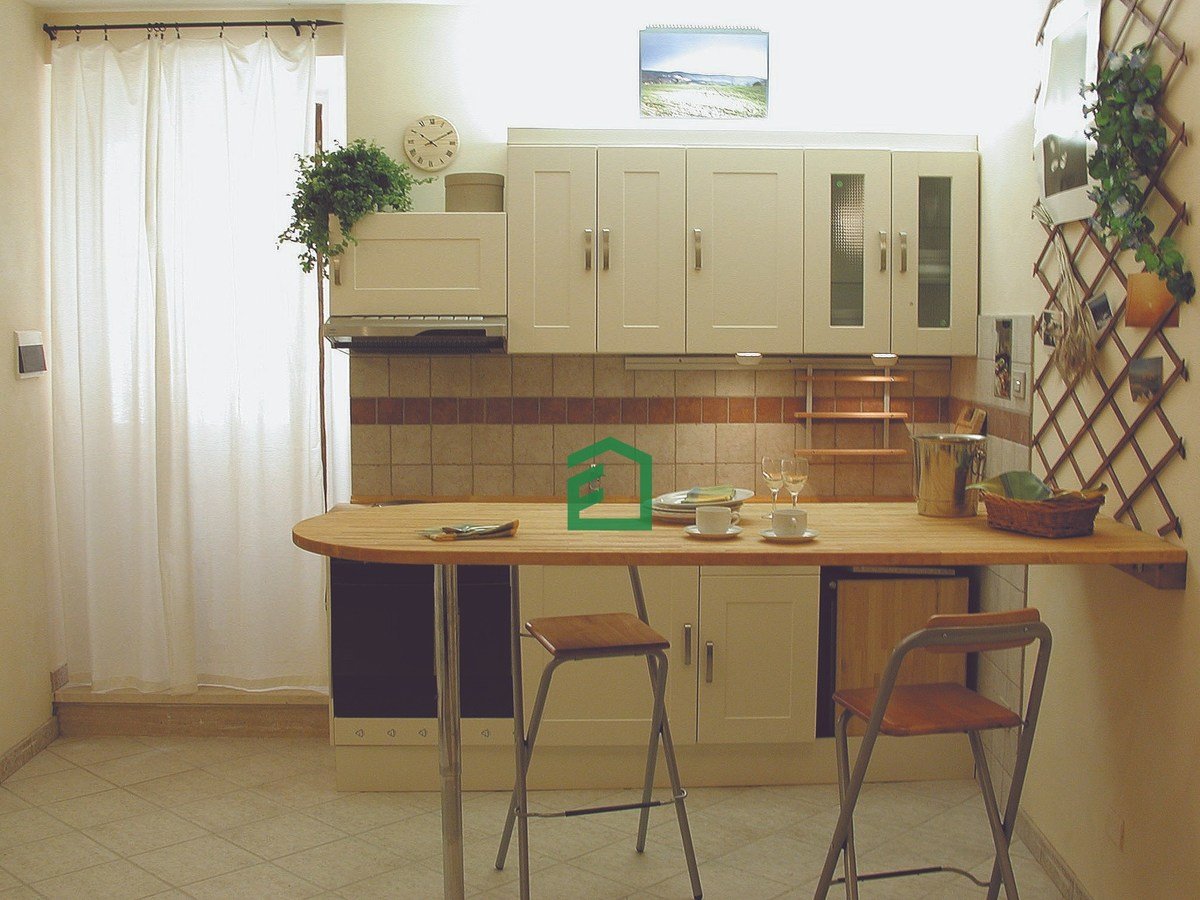
Both. Listings under €25,000 almost always need significant work. The €30,000–€80,000 band is where you find most genuinely move-in-ready village houses, especially in Abruzzo, Sicily and inland Lazio. We tag DreamProp listings with "needs renovation" to help you filter.
Is the 7% retiree tax regime still available in 2026?
Yes — and it was actually expanded in April 2026. The qualifying town population ceiling rose from 20,000 to 30,000 inhabitants, adding around 74–80 new towns including better-serviced mid-sized places with hospitals and schools. Eligible regions remain Sicily, Calabria, Sardinia, Campania, Basilicata, Abruzzo, Molise and Puglia, plus certain earthquake-affected central-Italian municipalities.
Do I need a visa to live in my Italian house full time?
EU citizens, no. UK, US, Canadian, Australian and other non-EU buyers can stay 90 days in any 180. To stay longer you need a long-stay visa — the Elective Residency Visa for retirees, the Self-Employment / Digital Nomad visa for remote workers, or the regular work visa. Owning a house does not grant residency.
Can I get a mortgage in Italy as a non-resident?
Yes, though most Italian banks lend to non-residents only up to 50–60% LTV and prefer purchases above €100,000. For sub-€100k properties most foreign buyers pay cash. UK and US lenders rarely lend on Italian property — you generally need to borrow in Italy or remortgage at home.
What about hidden problems — abusive building work, unpaid taxes, dead heirs?
Genuinely common in cheap Italy. Always commission a geometra survey before signing the preliminary contract — they check the cadastral plans match the actual building, that there are no abusive extensions, and that the title is clean. Budget €500–€1,500 and consider it non-optional.